Can art save a person when the world is falling apart?
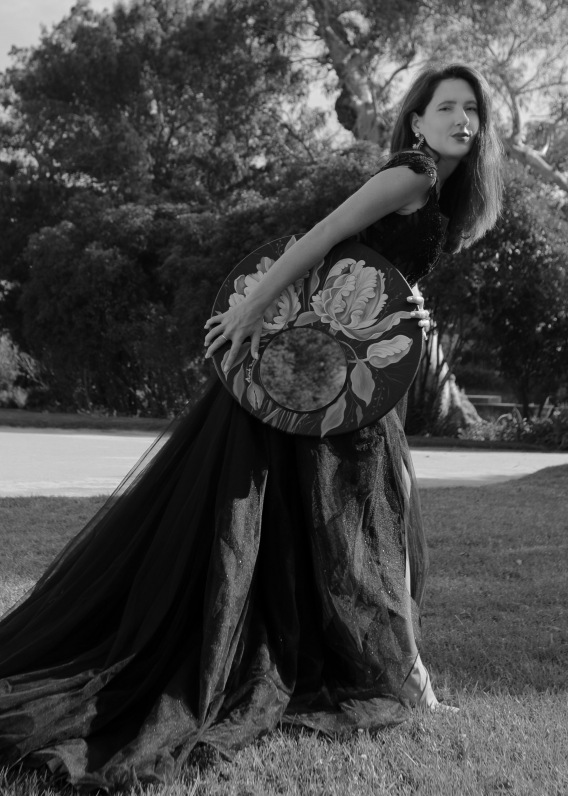
Having lost my identity twice, I rebuilt myself through art each time. Through my work, I explore the symbolic language that connects inner experience with the visible world. Flowers, colors, forms, and archetypal images become more than subjects - they become instruments for transformation, inviting us to reflect, reconnect with ourselves, and imagine new ways of being.
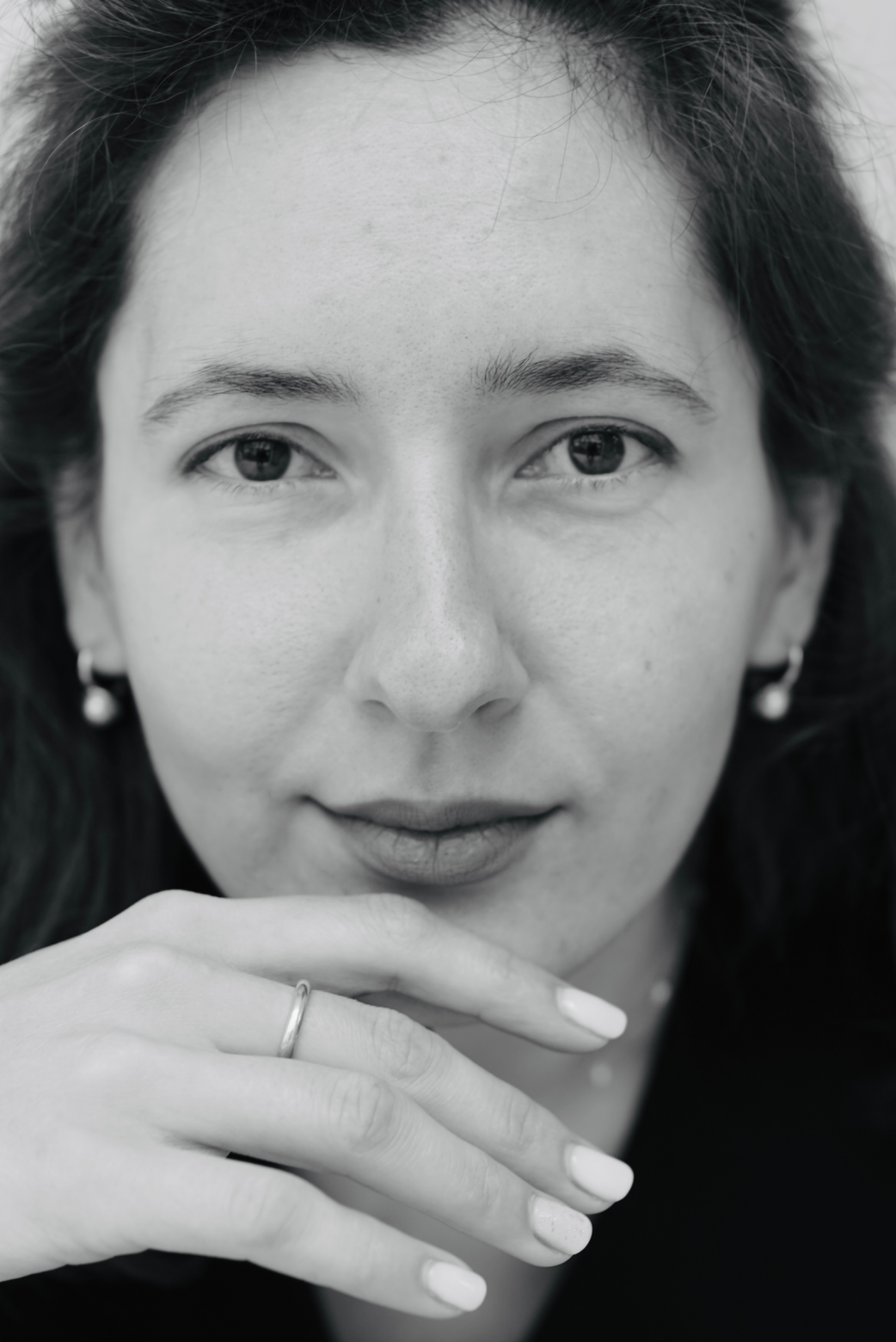
I believe that symbols have the power to speak to us more deeply than words. My mission is to explore this visual language and reveal the profound potential of art as a space for inner dialogue.
Art does more than reflect reality—it enters into a silent conversation with us, reaching parts of ourselves that words cannot access. Through symbols, imagery, color, and emotion, it invites us to see our personal stories from a new perspective, discover new meanings, heal inner wounds, and cultivate inner strength.
My practice explores this silent dialogue between the artwork and the viewer, revealing art not merely as an aesthetic experience, but as a powerful instrument for self-discovery, transformation, and reconnection with the self. My mission is to help people recognize the depth of this language and to show that art can become a place where new meanings emerge, resilience is nurtured, and a renewed sense of self begins.
I seek to expand the perception of art, revealing it not only as cultural heritage or an aesthetic experience, but also as a tool that helps people build inner resilience in a world of constant change.
I see art as a universal language that, through symbols, imagery, and emotion, enables people to understand themselves more deeply, reinterpret their experiences, and discover new meaning.
I believe that art is not only something we look at, but also a space where we can reconnect with ourselves and find inner strength.
I grew up in a family of artists, and my life was surrounded by art from an early age. I could spend entire days in my father’s studio, looking at his paintings. I loved studying every brushstroke and every detail. Sometimes it seemed to me that I would never be able to paint like that.
My father taught at a university, and my mother was an art historian. Some of my favorite books were encyclopedias filled with botanical illustrations, showing plants, butterflies, birds, and insects. I could spend hours looking at them. This had a strong influence on the way I see art and on how I perceive the world around me.
I was born in Ukraine, in the city of Kyiv. There, I received my art education. Later, I moved to Odesa and began my completely independent life.
At that time, I thought that moving to another city was not difficult at all. But during this period, I unconsciously began to lose myself. I felt that perhaps nobody needed me as an artist or as a teacher. But I did not give up.
Gradually, people began to discover my work. I gained students, commissions, and collaborations. I began to feel again that I was needed, that I could create and share my knowledge with others. And just when I finally found some peace and felt that I had built a strong inner foundation, everything collapsed again.
In one night. On February 24, 2022, I realized that I was losing everything again, and along with it, I was gradually losing myself.
In July 2022, I left Ukraine. I needed to understand: Who am I now in this world?
I began my new journey in Portugal. And it was there that the loss of my identity became even stronger. I went through pain and suffering, but I tried to find the strength to keep living.
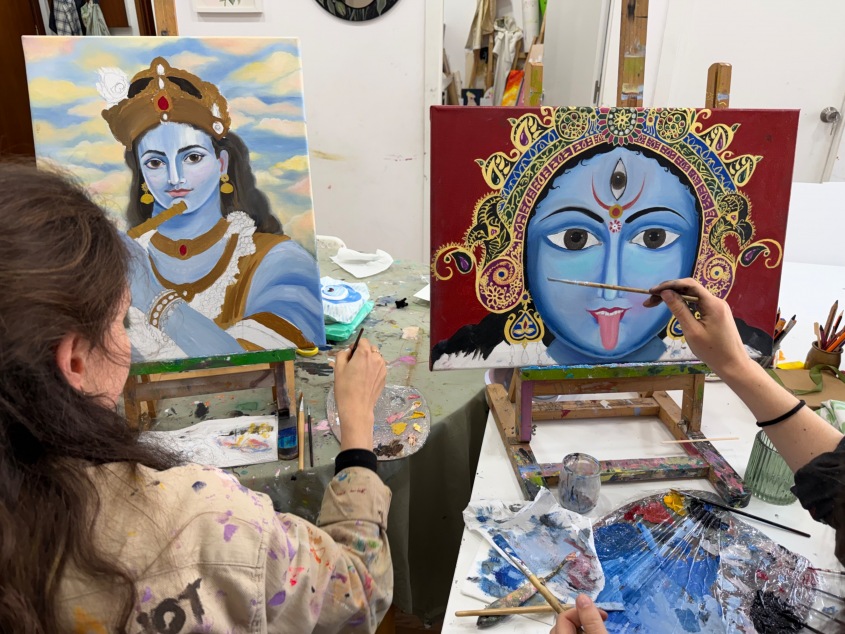
To gradually come out of this state, I began volunteering and supporting Ukrainian children. I bought art materials and organized free art classes for them. Through art, I was trying to help them process what was happening to them, while at the same time, I was slowly rebuilding myself.
Six months later, I opened my studio, Shpak Art Space.
I understood that this kind of space was needed not only by me. It was needed by children and adults who were also going through pain, change, and the loss of their familiar identity.
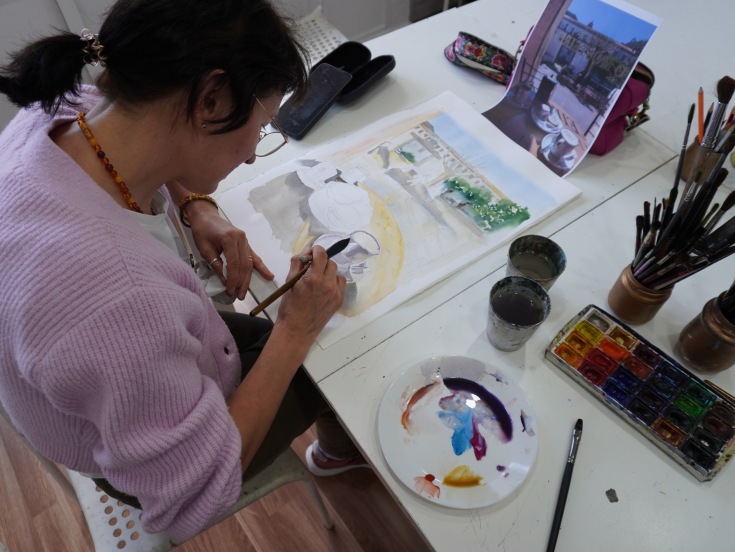
As the studio developed, I began studying different tools and approaches for working with children and adults. Gradually, I noticed that people who came simply for art classes were receiving much more than they expected.
For some, the studio became a space where they could process their emotions, understand themselves better, and reconnect with their inner support. I saw how powerful these methods could be, and this encouraged me to continue my research.
For the second time, I built my inner foundation. But this time, not only intuitively, as I had done before, but through the experience, knowledge, and skills I had gained throughout my journey.
My research continues and goes deeper. I explore not only the layers of the conscious and subconscious, but also a more mysterious layer connected to a person’s past experiences and, possibly, past lives.
For me, art has become much more than a profession. It is a way of exploring the human being, the inner world, identity, and what helps us rebuild ourselves when it feels like everything has been lost.
Shpak art


Shpak Art Space is an art studio and educational space created as a meeting point for art, creativity, and deep personal work. The studio grew out of a practice of working with people through visual art, where the artistic process became a tool for self-expression, exploration of inner states, and personal transformation.
Regular work with participants of different ages provided an opportunity to deepen the study of psychology and gradually integrate two направления — artistic and psychological. This synthesis made it possible to develop a unique format of classes in which not only the final result is important, but also the process itself, with careful attention to each person’s feelings, emotional states, and individual experience.
Shpak Art Space has also become a place for the development of an independent artistic practice. Alongside teaching and facilitating groups, it has served as a space for work as an artist: creating original paintings, visual series, and art projects that are used in both creative and psychological work. The studio brings together education, research, and personal artistic expression, creating a supportive and inspiring environment for growth, self-awareness, and the unfolding of creative potential.
At present, work with the creative space is available online. There are groups that meet on a regular basis, as well as individualized programs tailored to each student. If you would like to join us for training, please contact us, and we will discuss your goals and determine how we can make our work together as effective as possible. On-site art sessions and workshops are also available.
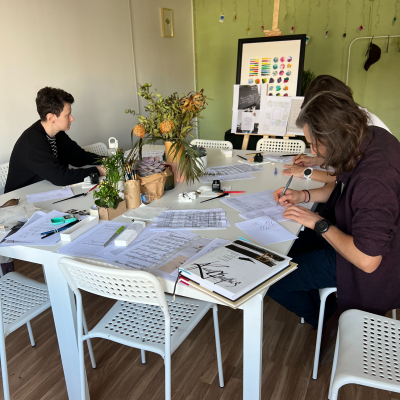
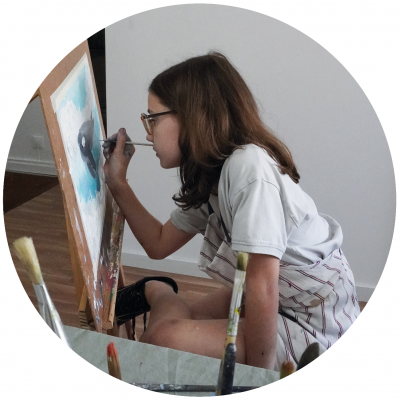
Our students' work in the space Cascais